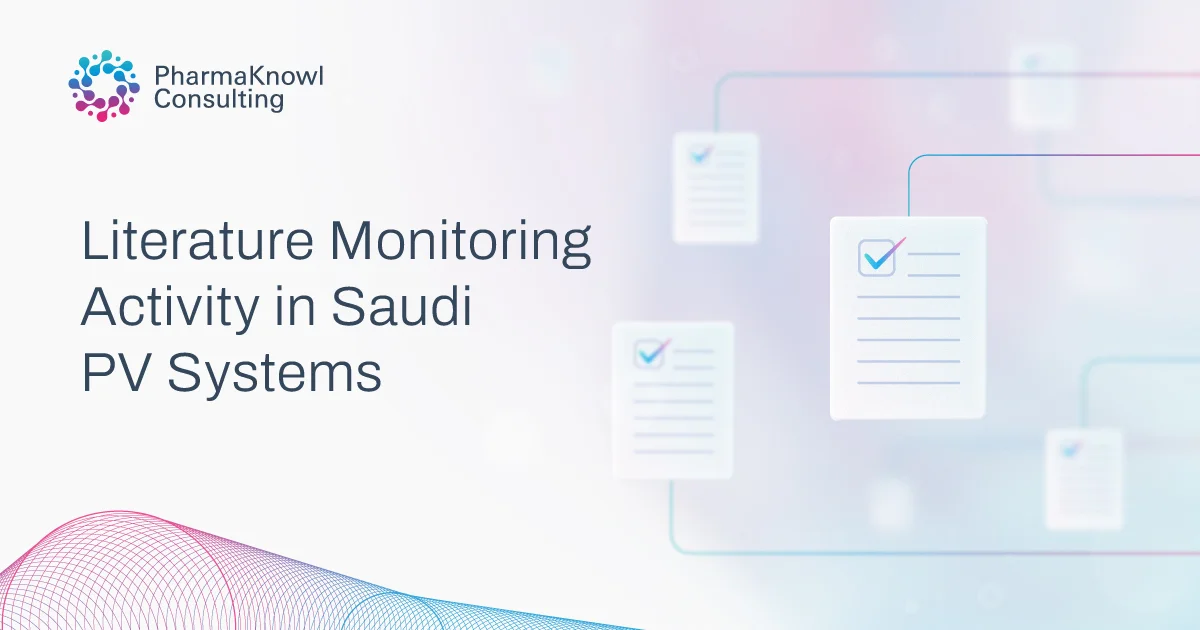
Pharmacovigilance (PV) plays an essential role in ensuring drug safety and efficacy. One of its cornerstone activities is literature monitoring, which involves reviewing scientific publications for Adverse Drug Reactions (ADRs) that could affect patients. This process detects safety concerns that might not have been identified during clinical trials.
In this post, we discuss the importance of literature monitoring, its role in pharmacovigilance, and the best practices for maintaining safety and regulatory compliance.
Table of contents
What is Literature Monitoring?
Literature monitoring is the process by which pharmacovigilance professionals review scientific publications, including medical journals, case reports, case series, observational studies, and clinical trial reports, to identify potential drug safety concerns. While clinical trials provide important safety information before a drug is approved, they may not detect rare, delayed, or long-term adverse effects due to limited sample sizes and study durations. Literature monitoring helps identify safety issues that emerge during real-world use after a drug is marketed, thereby supporting the ongoing assessment of its benefit-risk profile and enhancing patient safety.
Why is Literature Monitoring Important?
- Early Detection of ADRs: Clinical trials may not identify every potential side effect, particularly rare ones. While literature monitoring assists in detecting these adverse drug reactions early through published case reports, observational studies, and other real-world evidence, contributing to improved patient safety
- Regulatory Compliance: In Saudi Arabia, the Saudi Food and Drug Authority (SFDA) requires pharmaceutical companies to monitor and report ADRs regularly. This ensures that companies stay compliant with local and global pharmacovigilance standards.
- Protecting Patient Safety: Literature monitoring helps healthcare providers adjust treatment guidelines when new safety concerns arise, ultimately protecting patients.
Literature Monitoring Regulations in Saudi Arabia
The SFDA regulates drug safety in Saudi Arabia and requires companies to have systems in place for monitoring drug safety, including literature monitoring. The SFDA applies local and international guidelines (like those from the World Health Organization) to ensure that safety standards are met.
The SFDA Good Pharmacovigilance Practice (GVP) guidelines require Marketing Authorization Holders (MAHs) to conduct global and local literature searches for safety concerns every week. The SFDA inspectors will inspect the local PV system (Pharmacovigilance Sub-System File – PSSF) and related records to ensure that the local Qualified Person for Pharmacovigilance (QPPV) searches and documents it every week, covering the molecule name, trade name, and other possible search terms. The search must be conducted on local medical journals related to the product’s therapeutic classes.
Best Practices for Literature Monitoring
To do literature monitoring effectively, companies follow several best practices:
- Systematic Literature Searches: Pharmacovigilance teams conduct comprehensive searches across multiple databases (e.g., PubMed) to stay up to date on the latest publications.
- Identifying Relevant Sources: Not all publications are useful; focus on those related to drug safety, such as case reports and clinical studies.
- Data Analysis and Signal Detection: After identifying relevant articles, the next step is to analyze them and detect new safety signals (potential adverse drug reactions [ADRs] or risks).
- Report Findings: When new risks are identified, they must be reported to the SFDA promptly as an individual case safety report (ICSR) in accordance with the required guidelines.
Challenges
There are a few challenges when it comes to literature monitoring:
- Volume of Literature: With so many scientific papers being published daily, it can be hard to track everything.
- Data Quality: Not all studies are high quality, and it’s important to distinguish between reliable and unreliable sources.
- Language Barriers: Many studies may be published in different languages, making it harder to access crucial safety information.
Conclusion
Literature monitoring is a vital part of pharmacovigilance. It helps detect new safety concerns and ensures that drugs remain safe for use. The SFDA plays a key role in regulating this process, ensuring that pharmaceutical companies are compliant with local and international guidelines. As technology improves, the effectiveness of literature monitoring will also improve, leading to better protection of public health. We at Pharmaknowl also have a dedicated PV department with an expert team of PV professionals to support your global PV efforts and ensure full compliance with SFDA pharmacovigilance requirements.
About the Author

Pharmacovigilance specialist at PharmaKnowl, acting as deputy QPPV, with focus on monitoring the safety of pharmaceutical products and ensuring compliance with regulatory standards.
Resources
Services
Events